
Gorge Journal · 259 Three Mile Road · Day 3 of 30
An all-brick house in Kentucky trades painting for pointing. The brick itself lasts; the mortar joints, weep holes, flashing and sealants are the upkeep items, and Kentucky’s climate, zone 4A across the whole state, is what wears them through repeated freezing and thawing. 259 Three Mile Road is all brick and was built in 1990. Here is what to look at on the walk-around and what to ask the inspector.
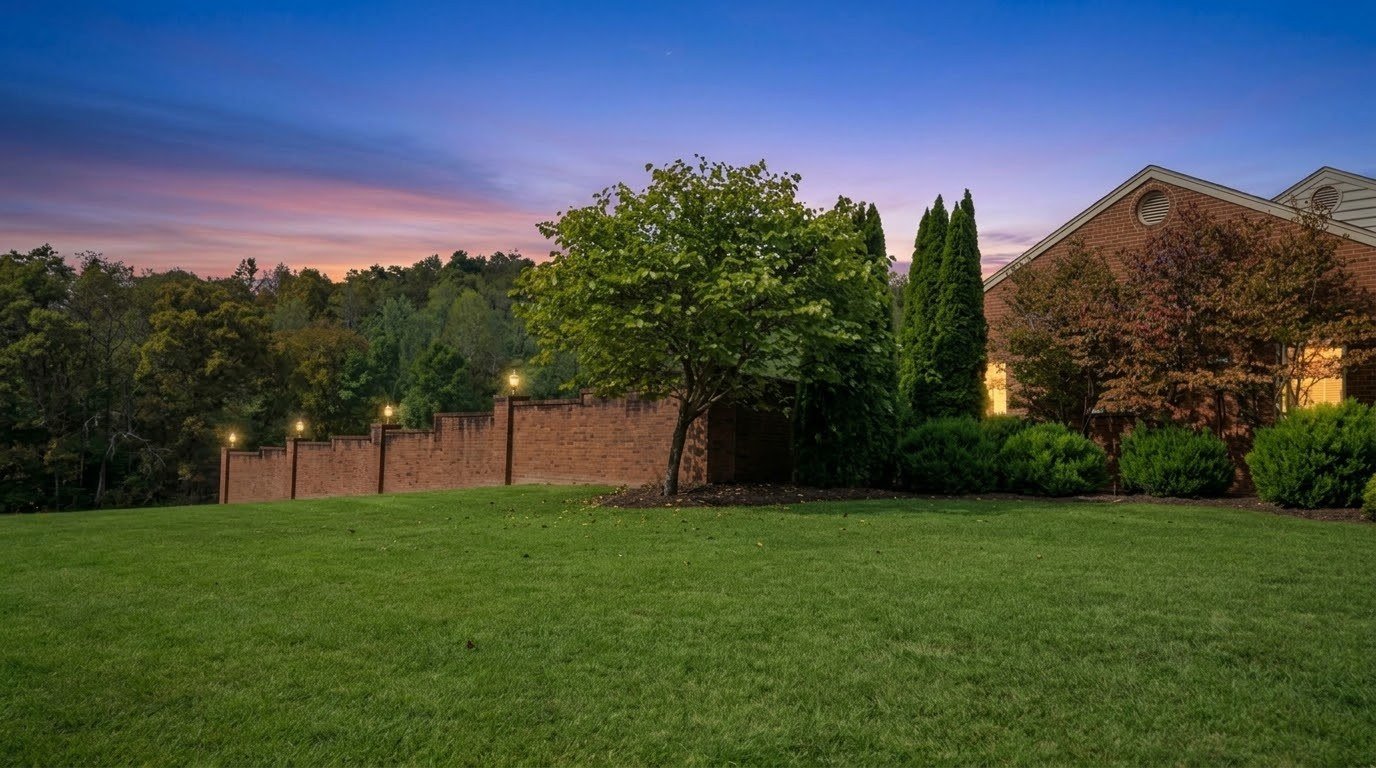
Kentucky is climate zone 4A, all of it
The 2021 International Energy Conservation Code lists Kentucky in Table C301.1 as “4A (all)”: one climate zone for every county. The A means moist; the 4 means winters cold enough to freeze but not the deep cold of the northern zones. For masonry that combination is the working condition. Water gets into a joint, freezes, expands, and thaws, many times a winter. Mortar is made softer than the brick on purpose, so it wears first and is repointed; the brick is meant to outlast it.
A house built in 1990 has been through thirty-six of those winters. That does not mean the joints are failing. It means the inspection should look at them, and a mason’s opinion during the inspection period gives you a number rather than a guess.
The walk-around checklist
- Mortar joints. Crumbling, sandy or recessed joints; step cracks that follow the joints near corners and above openings.
- Weep holes. Small openings at the base of the wall and above windows and doors that let water out of the cavity. They should be open, not sealed or buried by mulch or soil.
- Steel lintels. The steel angle over each window and door. Rust expands and lifts the brick above it; look for a horizontal crack or a bowed course.
- Efflorescence. White staining on the face of the brick means water is moving through the wall and leaving salts behind. Find the source.
- Grade. Soil and mulch should sit below the weep holes and the brick should not be buried.
- Chimneys. This house has three fireplaces. Whatever serves them, the crown, the cap and the flashing where the chimney meets the roof are the leak points to check.
- Sealants. The joint where brick meets a window or door frame is caulk, and caulk has a service life.
[MARCOS: what the walk-through showed on the brick, mortar and lintels at 259 Three Mile Road]
Why there may be no permit file to read
Under 815 KAR 7:125, the regulation that adopts the Kentucky Residential Code, permits, inspections and certificates of occupancy are not required for a single-family dwelling unless a local ordinance requires them. In a rural county that often means a 1990 house has no permit history to pull for the original build or for later work. Your inspector’s report is the record you will have. Read it that way, and budget for a mason’s visit if anything on the list above turns up.
The Seller’s Disclosure of Property Condition, KREC Form 402, asks the seller about the foundation and about damage to wood from moisture or rot. Read those answers next to the inspector’s photographs of the brick.
For how this site budgets upkeep on Gorge-region properties, see the maintenance cost guide linked below.
Questions buyers ask
Does brick need to be sealed?
Generally no. Some coatings trap moisture inside the wall and make freeze-thaw damage worse. Ask a mason before applying anything to the face of the brick.
How often does brick need repointing?
It depends on exposure, mortar mix and drainage, so there is no single interval. A mason’s assessment during the inspection period gives you a number for this house rather than a rule of thumb.
Does all-brick construction change the insurance quote?
Construction type is a rating factor with many carriers. Ask a licensed insurance agent for a quote on this address rather than assuming a discount.
The listing and the next read
The property: 259 Three Mile Road, Beattyville, KY, listing page, with the film, the photographs and the details table. Related diligence: our Gorge maintenance cost guide. Private showings by appointment: call or text Marcos Gil at (859) 310-1209.
Sources. 2021 International Energy Conservation Code, Table C301.1, Kentucky row, read 28 September 2026. 815 KAR 7:125, Kentucky Residential Code, Kentucky Legislative Research Commission, read 28 September 2026. KREC Form 402, read 28 September 2026. FlexMLS 26025260, 27 September 2026.