Blog

  • Log Cabins for Sale Near Natural Bridge: What to Check

    Gorge Journal · Cabin Buying

    A log cabin near Natural Bridge lives or dies on moisture control, not curb appeal — check the wall moisture content, the chinking joints, and whether the home has finished settling before you fall for the porch view.

    Natural Bridge State Resort Park sits along the Middle Fork of the Red River near Slade, straddling the Powell and Wolfe County line, and log cabins in the surrounding hollows range from decades-old hand-built homes to newer kiln-log construction. The buying checklist is different from a stick-built house, and most listing photos won’t show you the parts that matter.

    Why Does Moisture Content Matter More in a Log Cabin Than a Regular House?

    Log walls keep shrinking as long as they keep losing moisture, so a cabin built with wet (“green”) logs can still be settling years after construction, while one built with kiln-dried logs settles far less because the wood started out drier.

    Home-inspector guidance from InterNACHI puts kiln-dried log moisture content at no higher than 19%, versus green logs that start much wetter. As logs lose that moisture over time, they shrink in diameter and the wall loses height — InterNACHI notes that in an extreme case, an 8-foot green-log wall can lose as much as 6 inches before it reaches equilibrium. A home that reached that equilibrium years ago behaves very differently than one still actively settling.

    An 8-foot wall built from green logs can lose up to 6 inches in height before a log home finishes settling.

    How Do You Inspect Chinking and Sealant Joints?

    Walk the exterior and press on the chinking between logs — it should feel flexible and stay firmly bonded to both log faces, not crack, gap, or pull away when you press it.

    Inside, look along the same joints for water stains, soft or discolored wood, or a musty smell — all signs that moisture has been getting behind the chinking rather than shedding off the exterior. A moisture meter reading on logs next to any suspect chinking is a cheap way to confirm what your eyes are telling you before you write an offer.

    Do You Need a Specialty Inspector for a Log Home?

    A general home inspector can flag obvious problems, but log-specific issues — settling behavior, chinking condition, and moisture history in the logs themselves — are easy to miss without experience specific to log construction.

    If your inspector doesn’t regularly work on log homes, it’s worth asking directly whether they check moisture content at multiple wall points and whether they can tell kiln-dried construction from green-log construction on sight. That single question tends to separate a general inspector from one who actually knows this housing type.

    How Do You Verify the Property Before You Buy Near Natural Bridge?

    Confirm the parcel, acreage, and current assessment directly with the county Property Valuation Administrator before you’re under contract, since listing sheets in this area are sometimes generated from outdated survey data.

    Cabins closest to Natural Bridge State Resort Park itself typically fall in Powell County; the Powell County PVA property search is the place to confirm the parcel record matches what a listing describes, including any acreage or outbuilding discrepancies.

    Is a settling log home a deal-breaker?

    Not automatically. A home built from kiln-dried logs and showing no active settling signs (fresh chinking cracks, sticking doors, new gaps) can be a sound purchase — the risk is buying a green-log home without knowing it’s still moving.

    Are log cabins near the Gorge harder to insure?

    Coverage and pricing vary by carrier and by the home’s condition and construction type — get a quote in writing before you’re under contract rather than assuming standard homeowner’s coverage applies the same way it would to a stick-built house.

    What’s the difference between kiln-dried and green log construction?

    Kiln-dried logs are dried to a controlled moisture content (no higher than 19%, per InterNACHI) before the home is built, so the walls settle less. Green logs are milled and built with while still wet, so the home continues shrinking and settling for longer after construction.

    Related Reading

    For general area context, see our Natural Bridge, Kentucky area guide. If you’re weighing a log cabin purchase against building new, our breakdowns of what it costs to build a cabin in the Red River Gorge and ongoing Gorge cabin maintenance costs cover the ownership side once you’re past the purchase.

    Last updated: August 22, 2026

    By Marcos Gil, REALTOR® — Keller Williams Commonwealth · KY Real Estate License No. 296259 · Call or text (859) 310-1209.
  • Owner Financed Cabins in the Red River Gorge

    Gorge Journal · Owner Financing

    Owner financed cabins in the Red River Gorge work differently than owner-financed land the moment a structure is involved — insurance, condition contingencies, and a federal rule aimed specifically at dwelling-secured loans all attach to a cabin deal in ways a raw-acreage sale never triggers.

    Owner financing on a cabin means the seller carries the note instead of a bank: a down payment, then installments at a negotiated rate, secured by a mortgage or land contract an attorney drafts. That much is the same as owner-financed land. What changes once there’s a roof, a septic system, and a heat pump involved is everything downstream of the note — who insures the structure while payments are still owed, whether anyone inspects it before closing, and which federal rules kick in because the collateral is now a dwelling. This page is education, not lending, tax, or legal advice; I’m a Kentucky real estate agent, not a mortgage originator, and Kentucky agents are licensed and regulated by the Kentucky Real Estate Commission.

    How Is Financing a Cabin Different From Financing Raw Land in the Gorge?

    A cabin adds insurance requirements, a structure worth inspecting or appraising, and federal seller-financing rules written specifically for dwellings — none of which a raw land deal triggers the same way.

    Start with insurance. A vacant tract doesn’t burn down or have its pipes freeze; a cabin does. On an owner-financed cabin, the seller still has real financial exposure to the structure until the note is paid off, so it’s standard for the financing agreement to require the buyer to carry dwelling or homeowners insurance for the life of the loan, often with the seller named as an additional insured or mortgagee until the balance clears. Skip that requirement in the paperwork and the seller is carrying fire and storm risk on a structure they no longer control.

    Condition is the second difference. A bank-financed purchase comes with an appraisal and, usually, an inspection contingency built into the loan process. An owner-financed cabin has neither unless the buyer and seller put one in writing — no lender is going to flag a failing well pump, an aging metal roof, or a septic system near the end of its life. That makes a structural and systems inspection, plus a septic and well check, something the buyer needs to negotiate for directly rather than assume comes with the deal; our guide to septic and well due diligence for Gorge properties covers what to check before you’re the one responsible for a failed system. If you’re comparing this to owner financing on a vacant tract instead, see our companion page on owner financing on Kentucky land — the land version of this arrangement, where there’s no structure, no insurance requirement, and none of the dwelling-specific federal rules covered below.

    Does Kentucky Law Automatically Record an Owner-Financed Cabin Contract?

    No — Kentucky law makes recording a land contract optional, while a deed or mortgage still has to be acknowledged and recorded in the county clerk’s office where the cabin sits.

    Owner-financed cabin deals get documented one of two ways: a deed transfers now with the seller holding a purchase-money mortgage, or the buyer gets a land contract (contract for deed) and the deed doesn’t transfer until the balance is paid off. The distinction matters because Kentucky treats them differently for recording purposes. Kentucky Revised Statutes 382.100 says contracts for the sale of real property “may be recorded” — recording a land contract is optional under Kentucky law, not automatic the way it is for a deed. KRS 382.110, by contrast, governs the recording of deeds and mortgages themselves, including where they have to be filed: the county clerk’s office of the county where the property is located — Wolfe, Powell, Menifee, or Lee County Clerk, depending on where the cabin sits.

    In practice, that gap is exactly where an unrecorded land contract can hurt a buyer: if nothing is filed at the courthouse, your interest in the cabin isn’t part of the public record, and a title search by a later buyer or a creditor of the seller may not turn it up at all. The fix isn’t complicated — have an attorney record the land contract even though the statute doesn’t force it, or structure the deal as a deed-plus-purchase-money-mortgage instead, since a mortgage is recorded as a matter of course. Either way, “we have a signed contract” and “we have a recorded interest” are two different levels of protection, and only one of them survives a dispute with a third party.

    A land contract that never gets recorded is a promise, not a property right — and Kentucky law does not make that recording automatic.

    How Many Cabins Can a Gorge Seller Owner-Finance Before Federal Lending Rules Apply?

    Federal Regulation Z excludes a natural-person seller from mortgage-originator rules for financing one dwelling-secured sale a year with minimal conditions, or up to three a year if the loan is fully amortizing and the seller checks the buyer’s ability to repay.

    This is the piece that’s easy to miss, and it’s specific to cabins for a reason: the rule lives in Regulation Z, 12 CFR § 1026.36, which the Consumer Financial Protection Bureau titles “Prohibited acts or practices and certain requirements for credit secured by a dwelling.” A raw land sale with no structure generally doesn’t fall under a dwelling-secured credit rule the same way; an owner-financed cabin does. Under that section, a natural person, estate, or trust that provides seller financing for the sale of only one property in a 12-month period can avoid being treated as a loan originator with comparatively few conditions, mainly that the loan doesn’t negatively amortize and carries a fixed rate or an adjustable rate that doesn’t reset for at least five years. A seller financing up to three properties in a 12-month period can also qualify, but with a tighter bar: the financing has to be fully amortizing — meaning no balloon payment — and the seller has to make a good-faith determination that the buyer can actually repay it.

    None of that makes a seller a lender in the licensed sense, and none of it is advice on how to structure a specific note — that’s a conversation for an attorney and, once a seller is financing enough properties to approach these thresholds, potentially a licensed loan originator. What it means practically is that a popular seller-financing feature — a shorter note with a balloon payment due in five or seven years — can put a Gorge cabin seller outside the easier three-property path, which is exactly the kind of detail worth raising with an attorney before the note gets drafted, not after.

    In years of listing and showing cabins across Wolfe, Powell, Menifee, and Lee counties, the pattern I see most often is that owner financing gets negotiated like a land deal even when there’s a structure sitting on the parcel — buyers and sellers agree on a rate and a term and don’t get much further than that. The two questions I push both sides to answer before they get attached to terms are the same every time: who’s insuring the cabin while the seller still has money on the table, and has anyone actually looked at the roof, the systems, and the septic, since no lender is going to do that job for them here.

    What Should Go in Writing on an Owner-Financed Cabin Deal?

    Put the payment schedule, balloon terms if any, insurance requirements, an inspection contingency, and how the deed or mortgage will be recorded into one attorney-drafted document — never a handshake.

    A few items are specific to a structure and worth naming directly. First, balloon-payment mechanics: if the note has a lump sum due at the end of a shorter term, both sides need a plan for what happens if the buyer can’t refinance or pay it off on schedule — that’s a negotiated default and extension provision, not something to leave implied. Second, if the seller still owes a mortgage on the cabin, check whether that loan has a due-on-sale clause; transferring the property or even signing a land contract can give the seller’s own lender the right to call their loan due, so that has to be addressed with the seller’s lender or an attorney before closing, not discovered afterward. Third, insurance and condition, covered above, need to be contract terms, not assumptions. And finally, recording: specify who is responsible for getting the deed or mortgage filed with the correct county clerk, and by when.

    If you’re weighing an owner-financed cabin against a conventionally financed one, our Cabin Buyer’s Starter Kit covers the broader diligence checklist, and if the seller you’re negotiating with isn’t using an agent at all, buying a Red River Gorge cabin for sale by owner walks through the additional verification that falls on you in that setup.

    FAQ: Owner Financed Cabins in the Red River Gorge

    Does an owner-financed cabin need a bank appraisal?

    Not unless the buyer and seller agree to one in writing. There’s no bank in the transaction to require it, which is exactly why a written condition or inspection contingency matters more on an owner-financed cabin than on a bank-financed one.

    Can a Gorge cabin seller finance more than three cabins a year without becoming a licensed mortgage originator?

    Regulation Z’s seller-financing exclusions cap out at three properties in a 12-month period, and only if the financing is fully amortizing with a good-faith ability-to-repay check. Beyond that, an attorney and potentially a licensed loan originator should be involved — this page doesn’t advise on structuring a specific deal.

    Where does an owner-financed cabin deed get recorded in the Red River Gorge?

    With the County Clerk in whichever county the cabin sits in — Wolfe, Powell, Menifee, or Lee. A land contract can be recorded there too; Kentucky law just doesn’t require it the way it requires recording for a deed or mortgage.

    Last updated: August 21, 2026

    By Marcos Gil, REALTOR® — Keller Williams Commonwealth · KY Real Estate License No. 296259 · Call or text (859) 310-1209.

  • Buying a Red River Gorge Cabin For Sale By Owner

    Gorge Journal · Cabin Buying

    Buying a Red River Gorge cabin for sale by owner can save on commission, but it shifts every title, disclosure, and closing safeguard onto you.

    FSBO listings turn up regularly around Wolfe, Powell, Menifee, and Lee counties — a cabin on a family tract, a rental someone is retiring from, a parcel a seller would rather not split a commission on. None of that makes the deal riskier by default. What makes it riskier is skipping the steps a listing agent and closing agent would normally handle for you: verifying who actually owns the property, confirming access, and keeping the money safe until the deed is recorded.

    Why Do Some Red River Gorge Cabin Sellers List FSBO?

    Most FSBO sellers in the Gorge are trying to net more from a lower-priced cabin or land parcel by avoiding a listing commission, not hiding a problem with the property.

    Short-term rental cabins, camp-style tracts passed down in a family, and raw acreage near the cliff lines are the properties most often sold this way, because their owners already know the buyer pool — through Facebook groups, word of mouth, or a sign at the end of the driveway. That doesn’t remove the need for the same diligence you’d do on a listed property; it just means you, not a listing agent, are the one running that checklist.

    What Should You Verify Before Making an Offer on an FSBO Cabin?

    Confirm the seller is the recorded owner, check the parcel’s tax and assessment record, and independently verify access, easements, and any septic or well permits.

    Start with the county Property Valuation Administrator (PVA) record for the parcel — it shows the assessed owner of record, acreage, and parcel number, which you can cross-check against what the seller tells you before you ever sign a contract. Powell County’s PVA records, for example, are searchable through Powell County PVA property search. If the name on the PVA record doesn’t match the person you’re negotiating with, or the parcel size doesn’t match what’s being marketed, stop and get a title search before doing anything else. On a cabin deal, that verification also needs to extend to how you actually reach the property and how water and waste are handled — see our guides to access roads, easements, and surveys and septic and well due diligence for Gorge properties for what to check on rural parcels specifically.

    One detail that surprises a lot of FSBO buyers: Kentucky’s standard seller disclosure form isn’t automatically required on an FSBO sale. Under Kentucky Revised Statutes 324.360, the seller’s written property condition disclosure applies to residential sales where a person licensed under KRS Chapter 324 receives compensation on the transaction — meaning a true owner-to-owner sale with no licensee involved can fall outside that specific statutory trigger. That doesn’t mean a seller can misrepresent the property; it means you shouldn’t assume you’ll be handed a disclosure form the way you would on an agent-listed sale, and you should ask for one, or budget for your own inspection, in writing.

    An FSBO cabin isn’t a red flag by itself — an FSBO cabin with no title search and a seller who wants earnest money wired directly to a personal account is.

    How Do You Protect Earnest Money From Wire Fraud in an FSBO Deal?

    Never wire earnest money on emailed instructions alone — confirm account details by phone with a known number, and route funds through a licensed title company or attorney’s escrow account.

    Without a listing brokerage or closing attorney already in the loop, an FSBO transaction is exactly the setup real estate wire-fraud schemes are built for: a buyer who’s used to communicating by email or text with someone they’ve never met in person, and no second party double-checking wiring instructions before money moves. The FBI’s Internet Crime Complaint Center has documented this pattern directly, including a public service announcement on criminals impersonating landowners to fraudulently market and sell vacant parcels — a scheme that maps closely onto the kind of raw land and camp lots that change hands FSBO in the Gorge. The fix isn’t complicated: put a licensed title company or real estate attorney in the middle of the closing even on an owner-to-owner deal, and never send funds based on wiring instructions that arrived only by email.

    Do You Still Need a Title Company or Real Estate Attorney for an FSBO Purchase?

    Yes — a title company or real estate attorney runs the title search, prepares the deed, and handles recording with the county clerk regardless of who represented the sale.

    In Kentucky, deeds are recorded with the county clerk in the county where the property sits, so a Gorge-area purchase will run through the Wolfe, Powell, Menifee, or Lee County Clerk’s office depending on where the parcel is located. Skipping the agent commission on an FSBO deal doesn’t mean skipping title work and recording — it means you’re the one who has to make sure those steps actually happen instead of assuming a broker’s transaction coordinator is tracking them. If you’re weighing an off-market or FSBO cabin against something listed through a broker, our roundup of off-market and coming-soon Gorge properties and the county-specific breakdown for Wolfe County real estate are good next stops.

    What I tell buyers before they get attached to an FSBO cabin: treat the absence of a listing agent as one less set of eyes on the file, not zero risk. I still want to see a current title search ordered before earnest money leaves escrow, a plat or survey that matches what the seller is describing, and confirmation that access to the parcel is a recorded easement or public right-of-way rather than a handshake understanding with a neighbor. None of that costs much relative to the purchase price, and all of it is exactly what falls through the cracks when there’s no agent or attorney managing the timeline.

    FAQ: FSBO Cabin Purchases in the Red River Gorge

    Can a real estate agent still help me if the cabin is listed FSBO?

    Yes. A buyer’s agent can represent you on an FSBO purchase, negotiate directly with the seller, and coordinate the title company or attorney handling the closing, even though the seller isn’t paying a listing commission.

    Is an FSBO seller in Kentucky required to give me a written disclosure?

    The statutory seller disclosure form under KRS 324.360 is tied to transactions where a licensee receives compensation. A pure owner-to-owner sale can fall outside that trigger, so ask for a disclosure in writing rather than assuming one is required.

    Where does an FSBO cabin deed get recorded in the Red River Gorge area?

    With the County Clerk in whichever county the parcel sits in — Wolfe, Powell, Menifee, or Lee. Recording is what makes your ownership part of the public record, so confirm your title company or attorney has filed it.

    Last updated: August 20, 2026

    By Marcos Gil, REALTOR® — Keller Williams Commonwealth · KY Real Estate License No. 296259 · Call or text (859) 310-1209.

  • Red River Gorge Cabins for Sale Near Rock Climbing Access (Muir Valley & PMRP)

    Gorge Journal · Climbing & Access

    Cabins for sale near Red River Gorge climbing access cluster around two very different hubs — Muir Valley in Wolfe County and the Pendergrass-Murray Recreational Preserve (PMRP) in Lee County — and which one sits closer to a given cabin changes both the buyer profile and the county rules that apply to it.

    Climbers rent differently than the average Gorge visitor. They come back season after season, chase specific crags by name, and book around route conditions more than holiday weekends. For an investment buyer, proximity to a real, maintained climbing area is a demand signal worth understanding before picking a cabin.

    What Makes a Cabin a “Climbing Access” Cabin?

    A true climbing-access cabin sits within a short drive — ideally under fifteen minutes — of an established, publicly climbable crag with a real trail network, not just a scenic overlook near the Gorge.

    In practice that means proximity to one of two nonprofit-managed preserves: Muir Valley, off KY 715 near Slade and Rogers in Wolfe County, or PMRP, reached off KY 498 near Zoe in Lee County. Both are privately held, climber-run preserves rather than public parks, and both require a free liability waiver before anyone ropes up — a detail worth knowing before you tell prospective renters “just show up and climb.”

    Muir Valley or PMRP: Which One Should Anchor Your Search?

    Muir Valley suits buyers who want walkable convenience near Slade’s restaurant and gas-station corridor, while PMRP suits buyers comfortable with a quieter, more remote Lee County setting closer to the Gorge’s southern trad-climbing terrain.

    Muir Valley is a volunteer-run nature preserve near Slade and Rogers that draws sport climbers to hundreds of bolted routes across sandstone cliff bands, and it sits inside the same Wolfe County corridor covered in our Wolfe County real estate guide. PMRP, by contrast, is a roughly 700-acre preserve carrying more than 620 established climbing routes, according to the Red River Gorge Climbers’ Coalition — and it falls under Lee County, which we cover separately in our Lee County real estate guide. Same climbing culture, two different county tax offices, road departments, and short-term-rental ordinances to check before you buy.

    Why RRGCC’s 2026 Reopening Matters to a Buyer, Not Just a Climber

    The Red River Gorge Climbers’ Coalition announced in 2026 that it is reopening Oil Crack and Arena, two crags with more than 80 routes that had been closed to climbers for 22 years, with a goal of full access restored by fall 2026.

    That announcement, detailed in a 30th-anniversary release from the Red River Gorge Climbers’ Coalition, matters to a real estate buyer for a reason that has nothing to do with climbing grades: it’s evidence that the organization protecting this terrain — which has purchased and protected more than 1,800 acres of climbing land since its founding in 1996 — is still actively expanding public access rather than letting it shrink. Crags that open stay open for decades; that’s a longer demand horizon than most short-term-rental underwriting models assume.

    Climbers don’t book a crag for one weekend — they book the same valley every season the crag stays open, and that’s a steadier demand curve than most cabin pro formas give it credit for.

    In my own conversations with buyers chasing “climbing access” as a selling point, the ones who do best treat it as a durability signal, not a marketing sticker — they ask who owns and maintains the crag, whether access has ever been threatened, and how long the current arrangement has held, rather than just how close the cabin sits to a pin on a map.

    What Should You Check Before Buying Near a Crag?

    Before buying a cabin marketed on climbing proximity, confirm the county’s short-term-rental rules, the road’s winter accessibility, and whether nearby land is privately held or national forest.

    Land immediately around Muir Valley and PMRP is a patchwork of coalition-owned preserve and Daniel Boone National Forest land, and the two carry different rules — national forest trailheads generally allow free day-use parking but require a paid permit for overnight vehicles, while the climber-run preserves run their own waiver systems and, in most cases, don’t allow overnight parking on their land at all. A cabin’s proximity to a crag doesn’t tell you which rules apply to the crag itself, so confirm that separately before promising renters an easy trailhead walk. Pair that with a look at our cost-to-build guide if the plan is new construction near a crag corridor, and our county-by-county short-term-rental guide for Powell, Wolfe, and Menifee — noting that Lee County, home to PMRP, runs its own separate rules and isn’t covered in that guide.

    FAQ: Buying Near Muir Valley and PMRP

    Do I need a permit to climb at Muir Valley or PMRP?

    Yes. Both are privately held, climber-run preserves that require a free liability waiver — separate from any Daniel Boone National Forest pass — before you’re allowed to climb on their land.

    Which county are Muir Valley and PMRP in?

    Muir Valley sits in Wolfe County, near Slade and Rogers. PMRP sits in Lee County, near Zoe, roughly 700 acres of preserve carrying more than 620 climbing routes.

    Is a cabin near a climbing crag a better short-term rental than one elsewhere in the Gorge?

    It can diversify your booking calendar toward climbers who travel in shoulder seasons, but proximity alone doesn’t guarantee occupancy — the fundamentals covered in our small cabins buyer’s guide (condition, access road, permitting) still decide whether the property performs.

    Last updated: August 19, 2026.

    By Marcos Gil, REALTOR® — Keller Williams Commonwealth · KY Real Estate License No. 296259 · Call or text (859) 310-1209.

  • Highlands of Red River Gorge: What 35 New Cliff-Line Home Sites Mean for Buyers

    Gorge Journal · Land & Development

    Thirty-five new cliff-line home sites just came onto the market in the Red River Gorge, part of a 2,506-acre development called the Highlands of Red River Gorge — and the release says something about where investor attention in this market is headed, not just about one project.

    Most of what sells in the Gorge is a cabin already built, on a lot already cleared, ready to list as a short-term rental the same season. The Highlands is a different kind of offering: raw, fee-simple land along a ridge cliff line, sold to buyers who want to build their own place rather than buy someone else’s.

    What Is the Highlands of Red River Gorge Development?

    The Highlands is a 2,506-acre cliff-line property releasing 35 individual home sites for direct, fee-simple purchase — meaning buyers own the land outright, not a timeshare or fractional interest.

    According to the developer’s own site, the property sits atop the sandstone ridges of the Gorge, with cliff-line lots offering views down into the valley and direct access to the terrain below. The development hosted an open house Friday through Monday, May 22–25, 2026, at the property on Fixer Road, reached from Highway 11 off Exit 33 of the Mountain Parkway. Homes built on these sites reportedly run from four to seven bedrooms, with new construction priced in the $1 million to $2 million range.

    That price point puts the Highlands well above the typical Gorge cabin resale — this isn’t a starter investment property, and buyers evaluating it should not compare it directly to what’s covered in our cost-to-build guide, which is written around smaller, rental-focused builds.

    Why Is National Investor Attention Turning to the Gorge Now?

    Annual visits to the Red River Gorge passed one million during the pandemic and have kept growing every year since, while the supply of short-term rental cabins has not kept pace, according to a May 2026 market report on the region’s cabin economy.

    The same report notes that AirDNA ranked Rogers, Kentucky — a small community bordering the Gorge — as the eighth-best mountain market in the United States to own a short-term rental property in 2025. That kind of national ranking is part of why land offerings like the Highlands are drawing buyers from outside Kentucky, not just regional second-home shoppers.

    A cliff-line lot isn’t a rental comp — it’s raw land with a view, and the two markets price differently.

    In my own work valuing land near the Gorge, buyers often assume a cliff-line lot should price like a turnkey rental cabin down the road. It doesn’t. Raw land with a view and cliff access carries its own comps, tied to buildability, road frontage, and utility access — not nightly rental income that doesn’t exist yet. Mixing the two leads to offers that miss by a wide margin in either direction.

    What Should a Buyer Check Before Purchasing a Cliff-Line Lot?

    Before buying raw cliff-line land anywhere in the Gorge, confirm buildable acreage, road access, and utility availability — a scenic view doesn’t guarantee a permit-ready building site.

    That means checking access roads and easements and septic and well feasibility before assuming a lot is buildable as advertised, and comparing the site against county short-term-rental rules in our county-by-county STR guide if the long-term plan includes renting the finished home. None of that diligence changes because a lot sits inside a named development — it applies to any cliff-line parcel in the region.

    FAQ: Highlands of Red River Gorge and Cliff-Line Land

    Is the Highlands of Red River Gorge development open to the public yet?

    The development held an open house May 22–25, 2026, and is actively releasing home sites for purchase. Confirm current availability and access directly with the developer before visiting the property.

    What does “fee-simple” ownership mean for a cliff-line lot?

    Fee-simple means the buyer owns the land outright and permanently, with no shared interest, timeshare structure, or expiration — the same ownership type as a typical home purchase.

    How is buying a cliff-line lot different from buying an existing Gorge cabin?

    An existing cabin comes with a finished structure and, often, a rental track record to underwrite against. A cliff-line lot is raw land — buyers are pricing the site itself and taking on construction timeline and cost risk before any income can start.

    Last updated: August 18, 2026.

    By Marcos Gil, REALTOR® — Keller Williams Commonwealth · KY Real Estate License No. 296259 · Call or text (859) 310-1209.

  • Small Cabins for Sale in the Red River Gorge: A Buyer’s Guide

    Gorge Journal · Cabin Buying

    Small cabins for sale in the Red River Gorge give buyers a lower entry price and a smaller footprint to maintain than a full-size build — and in the right county, a legal path to short-term rental income without ever swinging a hammer.

    Search “small cabins for sale Red River Gorge” and most of what comes back is a raw MLS feed: photos, a price, a Zillow link. What buyers actually ask me — before they call a lender or a builder — are narrower questions about septic capacity, road access, and whether a one-bedroom cabin can legally be rented by the night. This guide answers those questions directly, then goes a layer deeper into what to check before you make an offer.

    What Counts as a Small Cabin in the Red River Gorge?

    In the Gorge market, “small cabin” usually means a one- or two-bedroom structure built for weekend use or short-term rental, not year-round family living.

    Sized to sleep two to six guests, these cabins are the entry tier of the market. That’s a functional definition, not a legal one — Kentucky doesn’t set a minimum or maximum square footage for a cabin in unincorporated county land. What actually shapes the “small” category here is the terrain: steep, wooded lots near the cliff lines often can’t accommodate a large footprint or a large septic field, so the buildings that do get built on them tend to stay compact by necessity, not just by design.

    Why Are Buyers Choosing Smaller Cabins Right Now?

    Smaller cabins cost less to furnish, insure, and maintain than larger builds, which lowers the entry point for first-time Gorge buyers testing short-term rental ownership.

    I’ve watched this play out on showings for a few years now: a buyer who was priced out of a four-bedroom cabin near the climbing areas will often circle back on a one-bedroom A-frame or cottage instead, because the furnishing budget, the utility bills, and the cleaning turnover are all smaller too. It’s not a shortcut and it’s not for everyone — a small cabin still needs a sound roof, a working septic system, and a road that a guest’s sedan can actually climb in the rain. But as a first Gorge purchase, the smaller unit is usually the one that lets a new owner learn the market without over-extending on day one.

    Is It Cheaper to Buy an Existing Small Cabin or Build One?

    Buying an existing small cabin is almost always faster and less capital-intensive than building, since permitting and contractor lead times add real months to any new build.

    If you’re weighing that trade-off with real numbers, I put together a full breakdown of what materials, site work, and labor actually run in this market — see What It Costs to Build a Cabin in the Red River Gorge. For most buyers evaluating a small cabin under contract, the more useful comparison isn’t “buy vs. build” in the abstract, it’s “buy this cabin vs. build something similarly sized on raw land” — and the second option only pencils out if you already own the land or can find it at the right price.

    Do Small Cabins Still Need a Septic System and a Well?

    Yes — septic and well rules in Gorge counties are based on the property and its usage, not structure size, so every cabin needs a permitted system.

    A smaller cabin can sometimes qualify for a smaller septic field because of lower bedroom count, which is worth confirming with the county health department before you assume a lot is buildable. For general guidance on private water systems and septic permitting in this part of the state, the Wolfe County Cooperative Extension Service is a useful local starting point, and the county sanitarian’s office is the one that ultimately signs off on any permit. See our own Septic & Wells for Gorge Properties guide for what buyers typically ask at this stage.

    Can a Small Cabin Be Used as a Short-Term Rental?

    In most cases yes, but eligibility depends on the county and sometimes the subdivision’s covenants — STR rules are not uniform across the five Gorge counties.

    Powell, Wolfe, Menifee, Lee, and Estill counties each set their own STR permitting rules. Before you write an offer on a small cabin with rental income in mind, confirm the property’s specific permit status and county requirements rather than assuming a neighboring cabin’s rental history transfers with the deed. We keep a county-by-county breakdown at Gorge STR Rules by County that’s a good starting checklist before you call the planning office directly.

    Which Gorge Counties Have the Most Small-Cabin Inventory?

    Powell and Wolfe counties, closest to the Nada Tunnel and Sky Bridge corridor, tend to carry the deepest inventory of smaller, older cabins in the market.

    Menifee and Lee counties skew toward larger acreage and newer construction, so buyers hunting specifically for small, older cabins tend to concentrate their search closer to the Powell/Wolfe line. Part of the reason inventory near the gorge core stays tight is that a meaningful share of the land around the cliff lines is federally protected rather than privately buildable. The Red River Gorge itself was placed on the National Register of Historic Places as the Red River Gorge District in 2003, a designation that covers both national forest and private acreage and helps explain why buildable small lots near the most scenic corridors don’t turn over often. If you want to see what a builder can actually put on a given lot, our Red River Gorge Cabin Builders & Contractors Guide is a good next stop.

    What Should I Inspect Before Buying an Older Small Cabin?

    Prioritize the roof, the septic system’s age and permit record, the access road’s condition, and whether utilities are already on-site — these drive the largest post-closing surprises.

    Small cabins are often older builds than the newer construction on subdivision lots, so a standard home inspection should be paired with a septic inspection and, if the road isn’t county-maintained, a conversation with the seller about who is responsible for grading and gravel. None of this is unique to small cabins, but because the purchase price is lower, buyers sometimes skip steps they’d never skip on a larger home — don’t.

    FactorSmall Cabin (1–2 BR)Standard/Larger Cabin
    Typical septic field sizeOften smaller, bedroom-count dependentLarger, higher permitting cost
    Furnishing & setup costLowerHigher
    STR guest count ceilingLower occupancy per county rulesHigher occupancy per county rules
    Maintenance & turnover timeFasterSlower
    Entry price pointLowerHigher

    In the Gorge, the septic permit and the access easement decide what you can legally build long before square footage ever does.

    Frequently Asked Questions

    Are small cabins in the Red River Gorge move-in ready?

    Some are, especially cabins that have operated as short-term rentals and come furnished, but condition varies widely by property. Always confirm furnishings, appliance age, and whether the septic and well have current inspection records before assuming a cabin is turnkey.

    Does a small cabin still need year-round road access?

    Yes. Road access matters as much for a small cabin as a large one, especially if you plan to rent it — guests, cleaners, and emergency vehicles all need a passable route. Ask whether the road is county-maintained, private, or shared under an easement before you write an offer.

    Can I add on to a small cabin later?

    Sometimes, but it depends on the lot’s septic capacity, setback rules, and slope. A septic system sized for one or two bedrooms may need to be upgraded before you can legally add bedrooms, so check with the county health department before assuming an addition is straightforward.

    Related reading: What It Costs to Build a Cabin in the Red River Gorge · Gorge STR Rules by County · Septic & Wells for Gorge Properties · Red River Gorge Cabin Builders & Contractors Guide

    By Marcos Gil, REALTOR® — Keller Williams Commonwealth · KY Real Estate License No. 296259 · Call or text (859) 310-1209.

  • Gorge Market Pulse — Week of August 15, 2026

    This is the first Gorge Market Pulse built directly on Bluegrass REALTORS® MLS data rather than third-party estimates — and the first number worth your attention is inventory. The Gorge region is carrying more homes for sale than it was a year ago, and they are taking substantially longer to clear than anywhere else we track.

    The region by the numbers

    MeasureRed River Gorge region
    Active listings179 (up 10.5% year over year)
    New listings, July46
    New listings, last 7 days15
    Went under contract, July24
    Closed sales, July19
    Closed sales, trailing 12 months298
    Months of supply7.2 months

    Region covers Powell, Wolfe, Lee and Estill counties — Stanton, Campton, Beattyville, Slade, Irvine and Clay City. Source: Bluegrass REALTORS® MLS via FlexMLS. Monthly statistics reflect the last complete month, July 2026; new-listing counts are as of August 15, 2026. Months of supply is calculated as active inventory divided by the trailing twelve-month average of closed sales. Deemed reliable but not guaranteed.

    What 7.2 months of supply actually means

    A market is generally considered balanced somewhere around five to six months of supply. Below that, sellers set the terms; above it, buyers do. At 7.2 months, the Gorge is a buyer’s market — and it is not close. For comparison, using the same MLS and the same calculation this week, Lexington residential sits at 2.1 months and Madison County at 3.1 months.

    That gap is the single most useful fact a Gorge buyer can hold. Nineteen homes closed across four counties in July while 46 new ones came on. Supply is being added faster than it is being absorbed, which is what creates negotiating room. Our cabin investment guide covers how to use that position without insulting a seller.

    Where the asking prices sit

    CountyActive listingsMedian asking price
    Powell County71$299,900
    Wolfe County43$325,000
    Lee County30$312,000
    Estill County35$224,000

    Estill is the value door. A median asking price of $224,000 against $325,000 in Wolfe County is the widest spread in the region — and Estill also posts the region’s highest closed-sale count over the past year, so that discount is not a liquidity trap. Powell County, the gateway to the Gorge proper through Stanton and Clay City, sits in between at $299,900.

    A note on what we are not publishing

    You will notice we are showing asking prices, not sold prices, by county. That is deliberate. Individual Gorge counties closed between one and eight sales in July. A “median sold price” drawn from a single transaction is not a statistic, it is an anecdote wearing a suit — and publishing it would tell you something confidently wrong about your own property. When the sample is too thin to mean anything, we say so instead of dressing it up.

    Common Questions

    Is this a bad time to sell in the Gorge?

    It is a demanding time, not an impossible one. With 179 homes competing and roughly 24.8 closing per month across the region, the listings that move are the ones priced against current competition rather than against what a neighbor got two years ago. Presentation and pricing discipline decide outcomes here far more than they do in a fast market.

    How is months of supply calculated here?

    Active listings divided by the average monthly closed sales over the trailing twelve months. We use the twelve-month average deliberately — July is seasonally one of the strongest sales months of the year, and dividing by July alone would have made the market look meaningfully tighter than it is.

    Why include Estill County in a Gorge report?

    Irvine and the surrounding Estill County market sit on the western approach and share the same buyer pool, lending environment, and seasonal rhythm. Leaving it out would make the regional sample smaller and less reliable, not more accurate.

    Want the numbers for a specific town or property? Work with Marcos or see the full Gorge Market Snapshot.

    By Marcos Gil, REALTOR® — Keller Williams Commonwealth · KY Real Estate License No. 296259 · Call or text (859) 310-1209.

  • Gorge Market Pulse — Mid-August 2026

    The Gorge cabin market moves slowly and quietly — which is exactly why a periodic look at the numbers matters. Here is where the four core markets stand as of this week, and what the figures mean if you are buying, selling, or running a cabin.

    The numbers this week

    MarketAvg. property pricePrice / sq ftDays on marketEst. occupancyEst. nightly rateActive short-term rentals
    Slade$315,500$29337627%$247250
    Stanton$326,984$29416026%$214241
    Campton$208,841$30329225%$236199
    Beattyville$234,262$20315524%$16973

    Source: Mashvisor market data for Kentucky, pulled August 13, 2026. Occupancy, nightly-rate, and rental figures are model estimates — useful for direction, never for underwriting a specific property. Deemed reliable but not guaranteed.

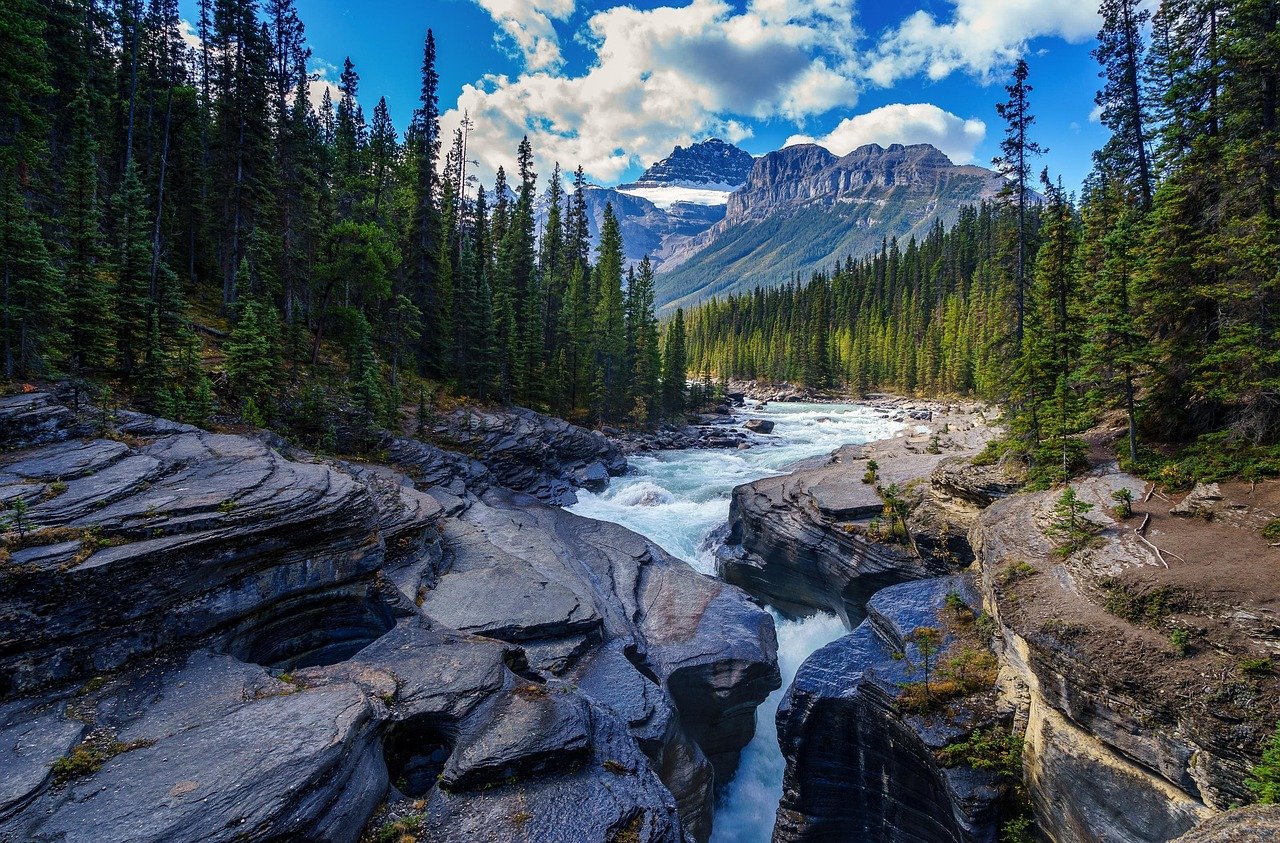
    Rocky creek running through conifer forest, Red River Gorge country
    Creek country below the clifflines — the terrain that drives this market

    What stands out

    Slade’s days-on-market is the story. An average approaching a year of market time in the heart of cabin country does not mean nothing sells — it means sellers who price to the market separate quickly from sellers who price to memory. For buyers, long market time is negotiating room; our cabin investment guide covers how to use it.

    Campton remains the value door into the Gorge. The lowest average price of the four markets, with nightly-rate estimates in the same range as its neighbors. The trade-offs — access, terrain, utilities — are covered in our town profiles.

    Beattyville moves faster than the cabin markets. Roughly half the market time of Slade, at the second-lowest entry price — consistent with what we see on the ground: demand for year-round homes and land is steadier than the visitor economy’s seasonality.

    Common Questions

    Are these numbers good or bad for sellers?

    Mixed. Prices per square foot in the cabin markets remain strong, but market times are long — presentation and pricing discipline decide outcomes here far more than in a fast market. A realistic pricing conversation before listing matters more than any renovation.

    Is occupancy really only ~25%?

    These are model estimates averaged across all active short-term rentals — strong operators in prime locations run far above the average, and underperforming listings drag it down. Treat the number as a market temperature, not a forecast for a specific cabin.

    Want the numbers for a specific property or town? Work with Marcos or see the full Gorge Market Snapshot.

    By Marcos Gil, REALTOR® — Keller Williams Commonwealth · KY Real Estate License No. 296259 · Call or text (859) 310-1209.